Electric Circuits In question no.3, which of the following is true ? ic (0+) = i(0+). None of these. iL(0) = ic (0). i(0+)= iL(0+). ic (0+) = i(0+). None of these. iL(0) = ic (0). i(0+)= iL(0+). ANSWER DOWNLOAD EXAMIANS APP
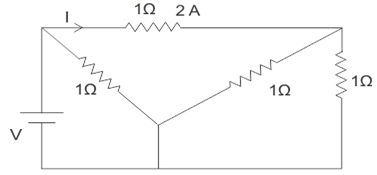
Electric Circuits In the circuit shown below if I = 2 A then find V? 5 V. 2 V. 1 V. 3 V. 5 V. 2 V. 1 V. 3 V. ANSWER DOWNLOAD EXAMIANS APP
Electric Circuits A network contains linear resistors and ideal voltage sources. If values of all the resistors are doubled, then voltage across each resistor is halved. remain same. increase by two times. doubled. halved. remain same. increase by two times. doubled. ANSWER DOWNLOAD EXAMIANS APP
Electric Circuits In series RLC circuit to get Q>1, which of the following is required? XL > R All of these XL < R XL = R XL > R All of these XL < R XL = R ANSWER DOWNLOAD EXAMIANS APP
Electric Circuits The linear circuit element is resistor. inductor. all of above. capacitor. resistor. inductor. all of above. capacitor. ANSWER DOWNLOAD EXAMIANS APP
Electric Circuits Ceq of two capacitors connected in series is given by C1 = C2. C1 + C2. C1 C2 / (C1 + C2). C1C2. C1 = C2. C1 + C2. C1 C2 / (C1 + C2). C1C2. ANSWER DOWNLOAD EXAMIANS APP
 EXAMIANS